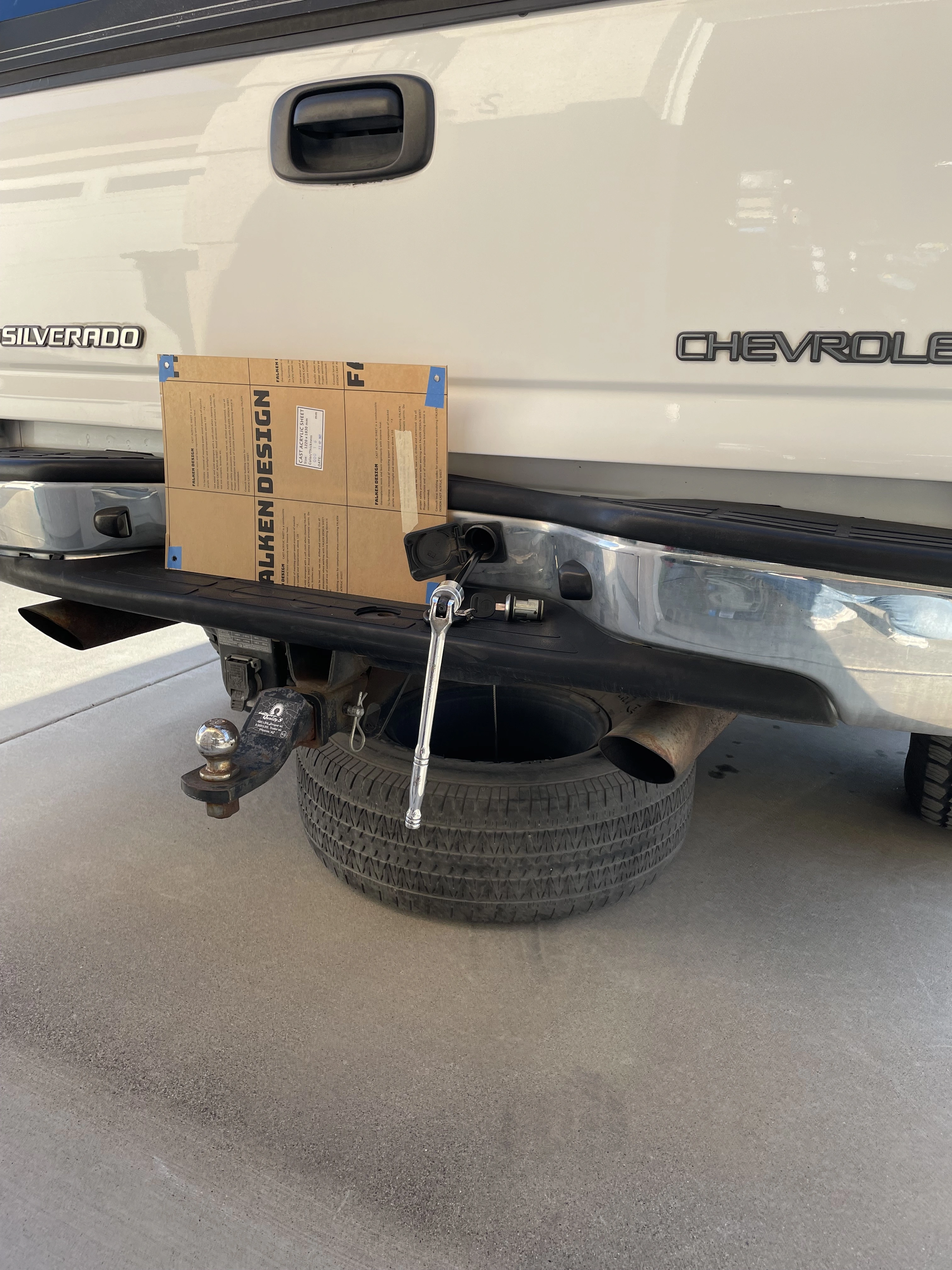
Call, text or use our contact form for a free quote today!

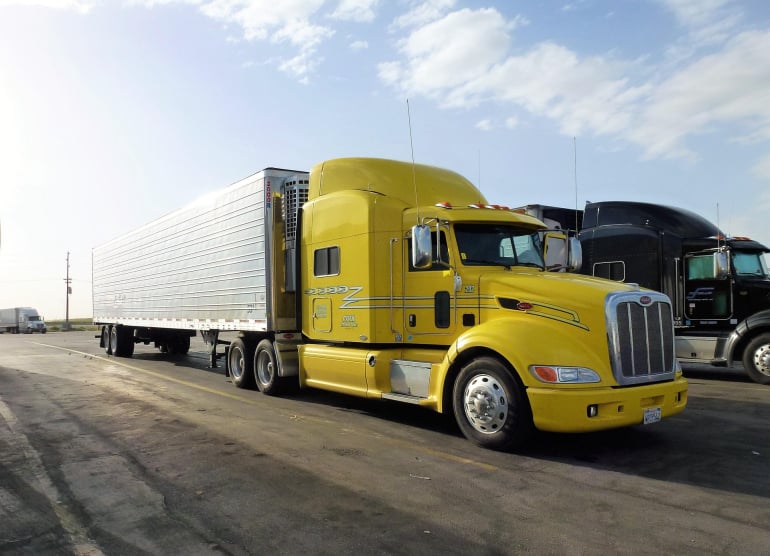
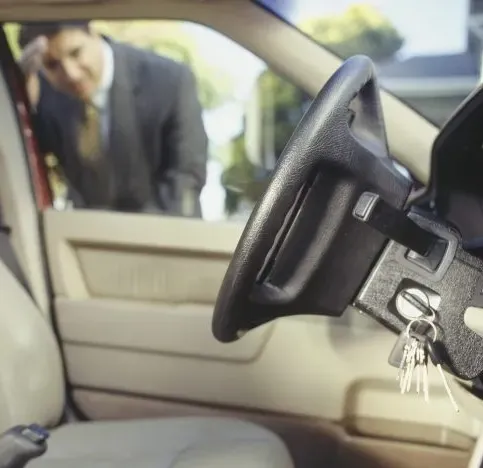
• Lockout service for cars, trucks,
RV's & Semi's.
• Lockout service for keys locked
in trunk or compartment.
• Dead battery jump starts.
12 & 24 Volts.
• Battery Testing.
• Battery replacement service.
• We install your spare tire.
• Low tires aired up.
• Tire plugs available.
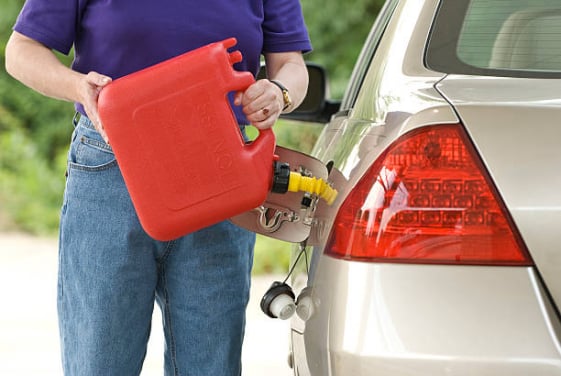
• Fuel delivery for cars and trucks.
• Gas and diesel
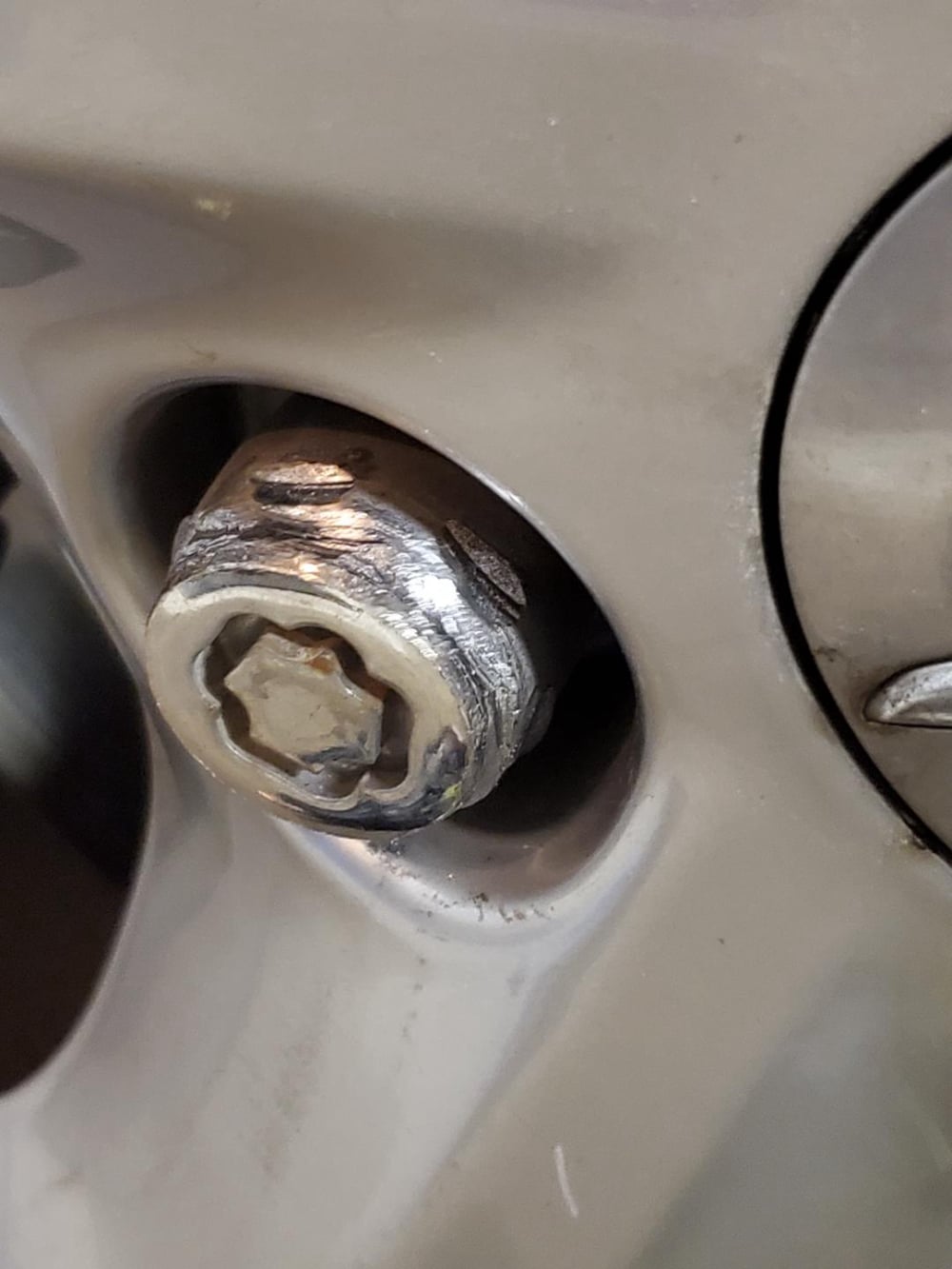
• Locking lug nut removal.
• Stuck and damaged lug nut
removal.
• Stuck Spare Tire Removal
• Lost Key Origination
• Lockout service.
• Battery Jump Start Service.
• Spare Tire Installation.
• Compressed Air for Low Tires.
• Fuel Delivery.
• Lost Key Origination
• Lockout service.
• Battery Jump Start Service.
• Spare Tire Installation.
• Compressed Air for Low Tires.
• Fuel Delivery.
• Lost Key Origination
• Battery Jump Start Service.
• Compressed Air for Low Tires.
• Fuel Delivery.
• Lost Key Origination
• Battery Jump Start Service.
• Spare Tire Installation.
• Compressed Air for Low Tires.
• Fuel Delivery.
• Lost Key Origination
• Lockout service.
• Battery Jump Start Service.
• Spare Tire Installation.
• Compressed Air for Low Tires.
• Fuel Delivery.
• Lost Key Origination
• Lockout Service
• Battery Jump Start Service.
• Compressed Air for Low Tires.
• Fuel Delivery.
Sierra Auto Locksmith & Roadside Rescue is just a phone call away!
A locksmith can unlock a car using several methods, depending on the vehicle's make, model, and security system. Here are some common techniques they use:
1. Slim Jim (Older Cars):
A thin, flat metal tool is slid between the window and the door to manipulate the locking mechanism inside.
This method works best on older cars with manual locks but is less effective on modern vehicles with electronic locking systems.
2. Wedge & Long Reach Tool (Most Cars):
A small inflatable wedge or plastic wedge is inserted between the door and the car frame to create a gap.
A long reach tool (like a hooked rod) is used to press the unlock button or pull the door handle from the inside.
This is a common and non-damaging method for newer cars.
3. Lock Picking (Keyhole Access):
Special lock-picking tools, such as a rake or bump key, can manipulate the lock pins and unlock the door.
This is effective for traditional keyhole locks but may not work on advanced keyless entry systems.
4. Key Fob Reprogramming (Modern Cars with Smart Keys):
If the car has a keyless entry system, a locksmith can use specialized software to reprogram or clone the key fob.
This method is used when the original key is lost or malfunctioning.
5. Decoding the Lock & Cutting a New Key:
If no other method works, a locksmith can decode the lock cylinder and cut a new key on-site using a key-cutting machine.
6. Bypassing the Security System:
Some vehicles have backup entry methods that a skilled locksmith can use, like manufacturer override codes.
Most professional locksmiths use non-destructive techniques to avoid damaging the vehicle. However, if your car has an advanced security system, unlocking it may take longer or require dealership assistance.
Would you like help finding a locksmith near you?
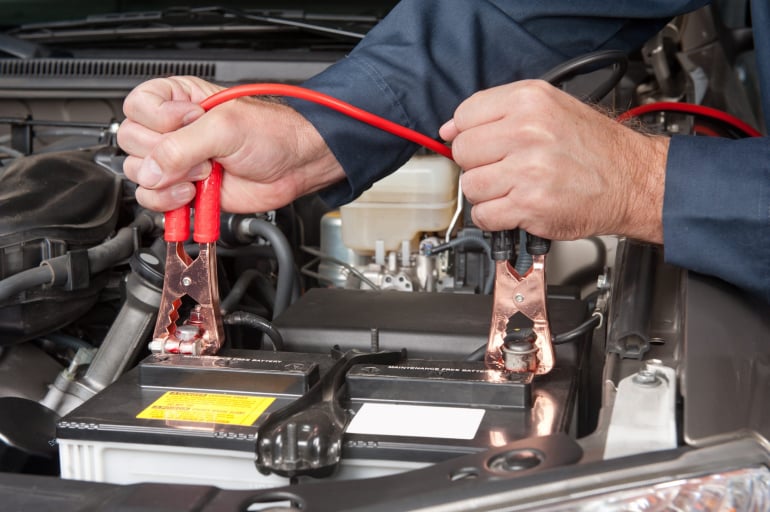
Jump-starting a car battery is simple if you follow these steps carefully. You'll need "jumper cables" and another vehicle with a working battery (or a portable jump starter).
Step-by-Step Guide: How to Jump-Start a Car
What You Need:
A set of jumper cables
Another vehicle with a good battery (or a jump starter)
Step 1: Safety First:
Park the working car facing your car (but not touching).
Turn both cars off and remove the keys.
Put both vehicles in park (automatic) or neutral (manual) and set the parking brake.
Make sure no metal objects (like tools or jewelry) touch the battery terminals.
Step 2: Connect the Jumper Cables:
1. RED to DEAD BATTERY → Attach one red (positive +) clamp to the dead battery’s positive terminal.
2. RED to GOOD BATTERY → Attach the other red clamp to the good battery’s positive terminal.
3. BLACK to GOOD BATTERY → Attach one black (negative -) clamp to the good battery’s negative terminal.
4. BLACK to METAL → Attach the other black clamp to an unpainted metal surface on the dead car (NOT the battery) to prevent sparks.
Step 3: Start the Working Car:
Start the working vehicle and let it run for 2–5 minutes to charge the dead battery.
Step 4: Start the Dead Car:
Try turning on the dead car. If it doesn’t start, wait another 2-3 minutes and try again.
Step 5: Remove the Cables (IN REVERSE ORDER):
1. Remove the black (-) cable from the metal surface on the dead car.
2. Remove the black (-) cable from the good battery.
3. Remove the red (+) cable from the good battery.
4. Remove the red (+) cable from the dead battery.
Step 6: Let the Jumped Car Run:
Keep the engine running for at least 15-30 minutes to recharge the battery.
If the car doesn’t start after multiple attempts, the battery might be completely dead, or there could be another issue.
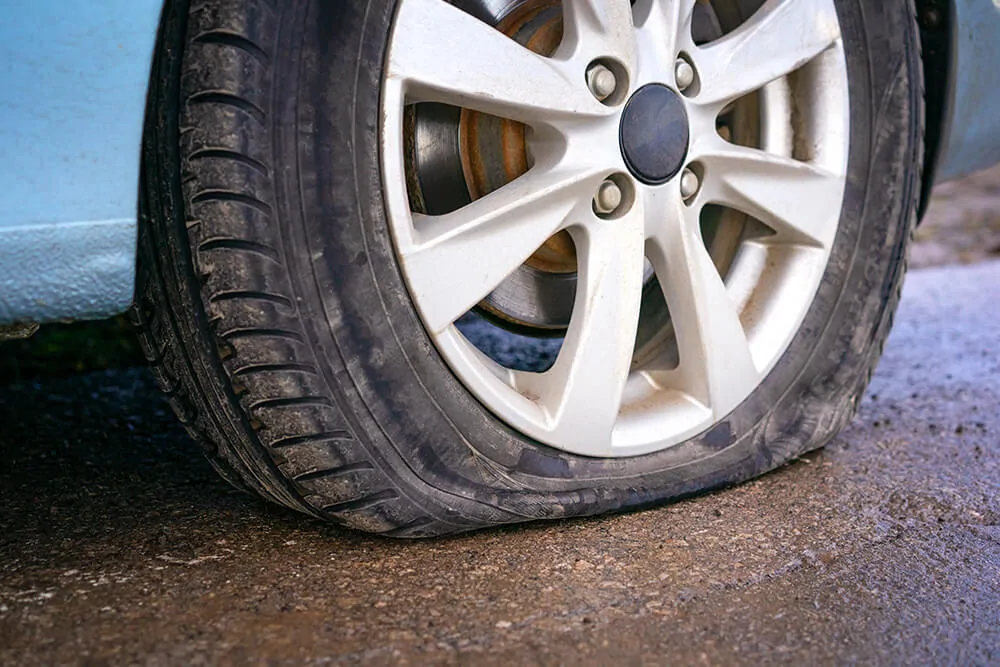
When roadside assistance is called to change a flat tire, their process is similar to that of a professional mechanic but is designed for quick, safe service on the roadside. Here’s how they typically handle it:
Step-by-Step Process for Changing a Flat Tire (Roadside Assistance)
1. Arriving & Ensuring Safety
The technician parks safely behind your vehicle with hazard lights on.
They may place cones or warning triangles to alert other drivers.
They assess the tire and surrounding area for safety (e.g., if the car is on a hill or busy road).
2. Gathering Tools
Roadside assistance providers use:
✔ Hydraulic jack (stronger and quicker than a standard car jack)
✔ Impact wrench or lug wrench (to remove lug nuts easily)
✔ Torque wrench (for proper tightening)
✔ Spare tire (they will use yours, or in some cases, provide a universal spare)
3. Loosening the Lug Nuts
The technician loosens the lug nuts with an impact wrench or manual wrench.
If your car has locking lug nuts, they will use the special key (or ask if you have it).
They loosen but don’t remove the nuts yet.
4. Lifting the Vehicle
The technician positions the jack at the correct lifting point to avoid vehicle damage.
They use a hydraulic jack to raise the car until the flat tire is off the ground.
5. Removing the Flat Tire
They fully unscrew the lug nuts and remove the flat tire.
They inspect the flat tire to determine if it can be repaired or needs a full replacement.
6. Installing the Spare or New Tire
The technician aligns the spare tire onto the wheel bolts.
They hand-tighten the lug nuts in a star pattern to ensure even pressure.
7. Lowering the Vehicle & Tightening the Lug Nuts
The technician slowly lowers the car until the spare tire touches the ground but is not fully weighted.
They then torque the lug nuts to the proper specifications using a torque wrench.
8. Final Inspection & Tire Pressure Check
They check the air pressure in the spare to ensure it's safe to drive.
If it's low, they may inflate the tire using an onboard air compressor.
9. Providing Additional Help (if needed)
If the spare is missing or unusable, they may tow the car to a tire shop.
If the flat tire is repairable (like a small puncture), they may patch it on-site.
We stay in constant communication with our customers until the job is done.
To get a free quote, or if you have questions or special requests, just drop us
a line or use this form.
Free AI Website Creator